From Design to Deployment Custom Machine Builders in Project Management
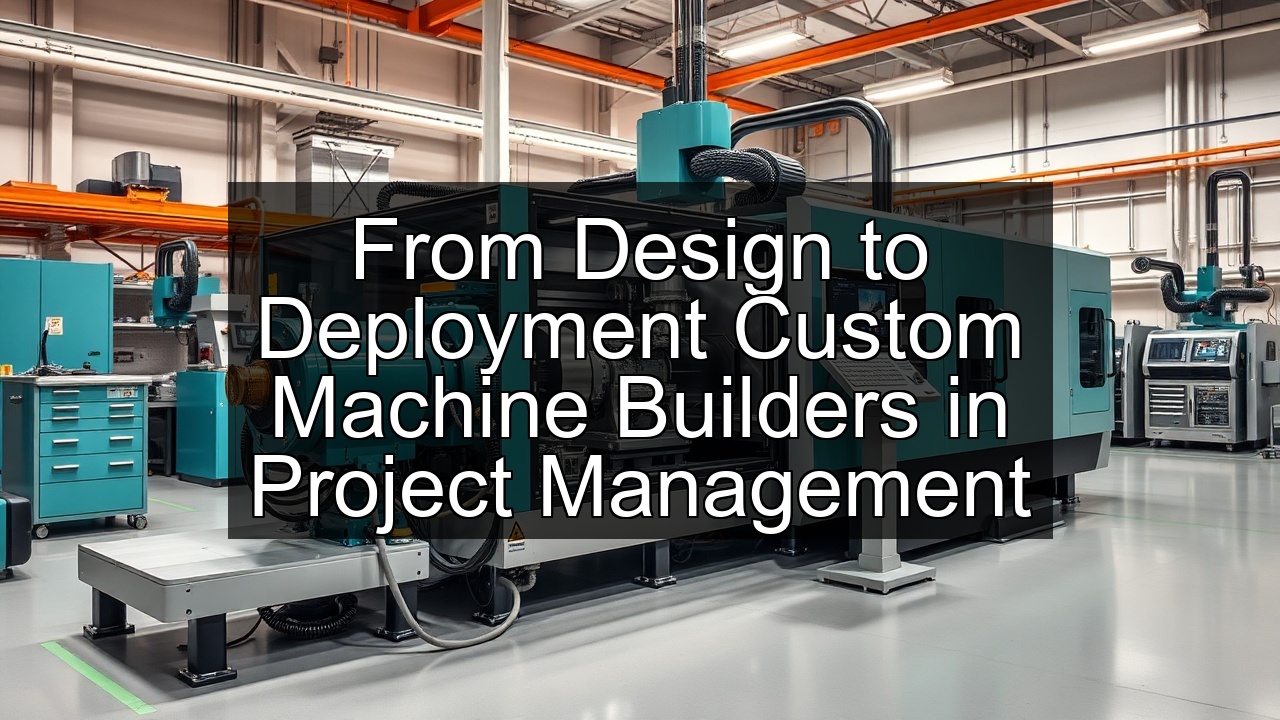
Understanding Custom Machine Builders
The Role of Custom Machine Builders in Project Management
Custom machine builders play a critical role in project management by transforming unique requirements into tangible machinery solutions. They bridge the gap between concept and execution, ensuring that project specifications align with production capabilities. This involves not only the design and fabrication of machines but also a deep understanding of the end-user's needs. Effective communication and collaboration with project stakeholders enhance the reliability of the custom built machines, streamlining workflows and ensuring on-time delivery. With their expertise, custom machine builders tackle challenges head-on, contributing significantly to overall project efficiency and success.
Key Technologies in Custom Machinery Development
Modern custom machinery relies on advanced technologies to meet the evolving demands of various industries. These technologies include computer-aided design (CAD), robotics, and automation systems. CAD software allows for precise planning and visualization of machine components, reducing errors during fabrication. Integrating robotic systems into custom machine solutions enhances productivity, enabling faster assembly and operation. Additionally, embedded technologies facilitate real-time monitoring and control, ensuring optimal performance of custom equipment. Embracing these innovations increases the competitiveness of custom machinery builders and their ability to deliver tailored solutions that meet specific project requirements.
Importance of Design Software in Custom Machine Building
Design software serves as the backbone of custom machine building, allowing engineers to create intricate models builder of machines and simulations before actual production begins. CAD software streamlines the design process, enabling faster iterations and adjustments based on feedback. This software not only enhances accuracy but also facilitates collaboration among team members, ensuring everyone is on the same page throughout the project. Furthermore, advanced design tools often include libraries of components, making it easier to incorporate standard parts into custom builds. This integration results in more efficient resource management and reduces lead times, ultimately boosting the productivity of machine shops involved in custom machinery manufacturing.
The Design Process: From Concept to CAD
Utilizing CAD Software for Accurate Designs
Utilizing CAD software revolutionizes the design process in custom machine building. Engineers can develop detailed 3D models that accurately represent the final product, minimizing discrepancies between design and actual output. This level of precision is crucial for ensuring that machines function as intended and meet safety standards. CAD software also allows for easy modifications, enabling rapid prototyping and iteration. By visualizing complex interactions between components, engineers can spot potential issues early in the design phase. This proactive approach reduces costly retrofits during later stages, saving both time and resources, while ensuring the reliability of the final machine.
The Significance of Ergonomics in Machine Design
Ergonomics plays a vital role in machine design, particularly in enhancing user interaction and overall safety. Custom machine builders must consider how operators will interact with machinery to create user-friendly solutions that minimize strain and maximize efficiency. Integrating ergonomic principles leads to designs that accommodate a variety of user sizes and reduce the risk of injury. This focus on human factors not only improves workplace safety but also boosts productivity, as operators can work more efficiently with machines designed for comfort and ease of use. Ultimately, thoughtful ergonomic design contributes to the long-term success of custom machinery in various industrial settings.
Reverse Engineering: A Pathway to Innovation
Reverse engineering serves as a powerful tool in the custom machine building industry, allowing builders to analyze existing machines and systems for insights into performance and functionality. By dismantling and studying machinery, engineers can identify areas for improvement or inspiration for new designs. This approach often leads to innovative solutions that address shortcomings in current technology. Additionally, reverse engineering facilitates the development of retrofits or upgrades for older machines, extending their lifespan and enhancing builder of machines their capabilities. As industries evolve, custom machine builders who embrace reverse engineering can stay ahead of trends and continually offer cutting-edge solutions to their clients.
Deployment and Efficiency: Automated Solutions
Turnkey Solutions for Rapid Deployment
Turnkey solutions streamline the deployment of custom machinery, providing clients with fully operational systems that require minimal setup. Custom machine builders offer these comprehensive packages, which include design, fabrication, installation, and training, ensuring a smooth transition from concept to operation. This approach significantly reduces downtime and accelerates project timelines, allowing businesses to capitalize on their investments sooner. By delivering ready-to-use solutions, builders enhance the efficiency of project management, minimizing the complexities associated with integrating new machinery into existing operations. Turnkey solutions represent a shift towards more customer-centric services in the custom machinery sector.
Integrating Automated Systems and Robotic Technologies
Integrating automated systems and robotic technologies builder of machines into custom machinery marks a significant advancement in manufacturing capabilities. The use of automation boosts efficiency, reduces human error, and enhances productivity. Custom machine builders leverage robotic systems to perform repetitive tasks, allowing human operators to focus on more complex and value-added activities. This synergy between humans and robots creates a more agile and responsive manufacturing environment. Moreover, automated guided vehicles (AGVs) can transport materials within production facilities, further optimizing workflows and reducing labor costs. Builders who embrace these technologies position themselves as leaders in the quest for operational excellence and competitiveness.
Improving Productivity with Automated Guided Vehicles
Automated guided vehicles (AGVs) represent a revolutionary advancement in material handling within custom machine building. These robotic systems navigate through manufacturing environments, transporting materials and components from one location to another with precision and efficiency. AGVs eliminate the need for manual handling, significantly reducing labor costs and minimizing the risk of workplace injuries. By implementing AGVs, custom machinery manufacturers enhance overall productivity, allowing for uninterrupted workflows and timely delivery of projects. Integrating these systems into custom machine solutions demonstrates a commitment to innovation and operational excellence, attracting clients seeking modern, efficient manufacturing practices.
Future Trends in Custom Machine Building
The Rise of Medical Device Manufacturing
The medical device manufacturing sector is experiencing a surge in demand for custom machinery solutions. As healthcare technologies evolve, the need for specialized equipment tailored to specific medical applications grows. Custom machine builders are increasingly collaborating with medical professionals to develop machinery that meets stringent regulatory requirements while enhancing patient care. This trend not only highlights the versatility of custom-built machines but also underscores the importance of innovation in the medical field. Builders who focus on creating reliable and efficient medical equipment will find opportunities to expand their market presence and contribute to advancements in healthcare technology.
Sustainable Practices in Custom Machinery
Sustainability has become a driving force in custom machine building, influencing design and manufacturing practices. Builders are now integrating eco-friendly materials and energy-efficient technologies into their solutions, aligning with global sustainability goals. This shift not only reduces the environmental impact of manufacturing but also appeals to clients who prioritize sustainable practices in their operations. Custom machinery built with sustainability in mind can help businesses achieve their corporate responsibility targets while maintaining high performance standards. The move towards greener solutions represents a significant opportunity for custom machine builders to differentiate themselves in a competitive market.
Exploring Custom Machinery Variations for Diverse Industries
The demand for custom machine variations across diverse industries continues to grow, prompting builders to innovate and adapt their offerings. Each industry has its unique challenges and requirements, necessitating tailored solutions that address specific operational needs. From food processing to aerospace, custom machinery must evolve to meet regulatory standards and efficiency demands. This trend encourages builders to diversify their portfolios and develop specialized machines that cater to various sectors. By embracing this adaptability, custom machine builders can position themselves as key players in an ever-changing landscape, ready to tackle the complexities of modern manufacturing.