Identifying Common Gearbox Issues and Their Solutions
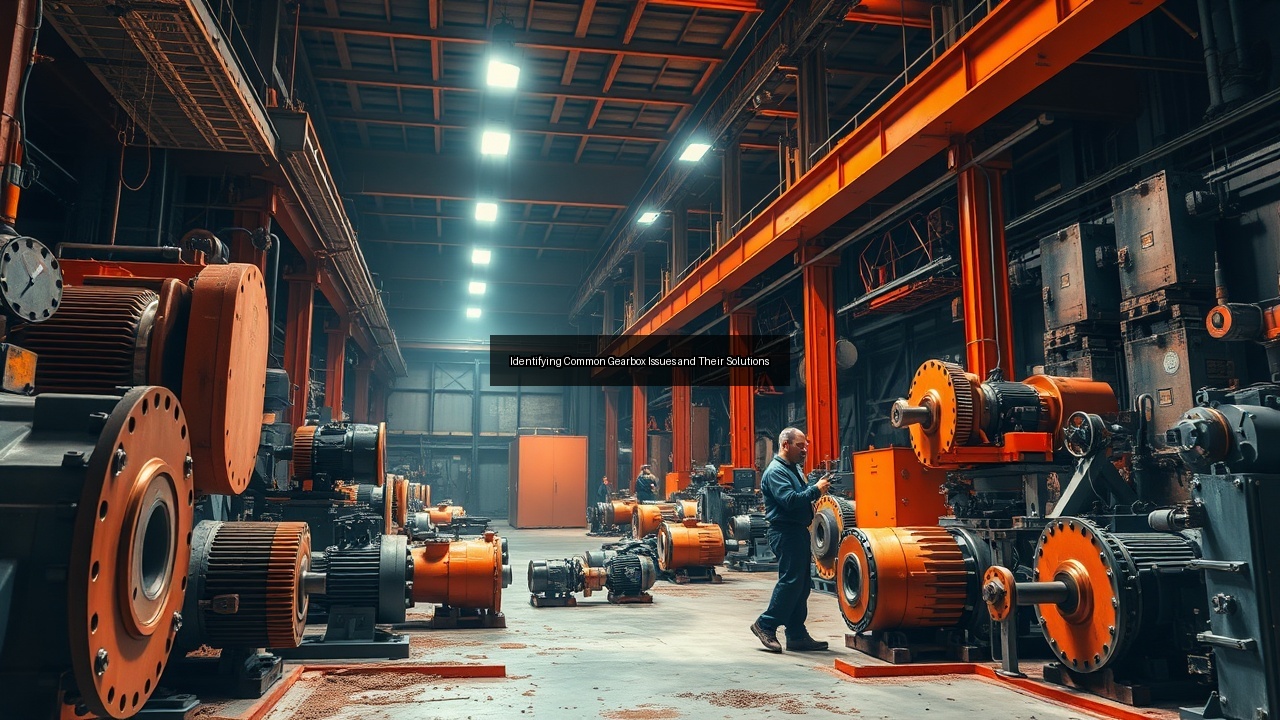
Understanding Gearbox Functionality
Role of Gearboxes in Power Transmission
Gearboxes transmit power from motors to driven equipment by adjusting speed and torque levels to match exact operational demands. Industrial gearbox maintenance starts with recognizing how these units convert high-speed input into controlled output for conveyors, pumps, and mixers. Engineers select gear ratios that deliver precise torque multiplication while preserving efficiency across varying loads. Proper design prevents energy losses that raise operating costs in heavy industries. Routine checks on seals and bearings keep power transmission stable. When speed mismatches occur, gearboxes suffer accelerated wear that shortens service life. Maintenance teams track input versus output ratios during inspections to confirm performance stays within design limits. This approach supports continuous production without unexpected interruptions from torque overloads or speed fluctuations.
Types of Gearboxes: An Overview
Industrial settings rely on several gearbox types including helical, planetary, and worm configurations to handle different torque and speed requirements. Helical units offer smooth operation under high loads while planetary models deliver compact high-ratio reduction. Worm gear reducers provide self-locking capability that prevents back-driving in lifting applications. Engineers match gearbox type to environment and duty cycle during initial selection. Industrial gearbox maintenance routines differ by type because lubrication points and seal placements vary. Dust exposure in mining operations favors enclosed designs that resist contaminant entry. Regular inspection identifies early misalignment in any configuration before it escalates into full failure. Selecting the correct type upfront reduces long-term repair frequency and supports consistent power delivery.
Importance of Gearing Design in Efficiency
Gearing design directly controls efficiency by minimizing friction losses between meshing teeth. Precise tooth profiles and surface finishes reduce heat generation that otherwise degrades lubricant and accelerates wear. Engineers optimize contact ratios to distribute load evenly across multiple teeth during power transmission. Poor design choices create vibration that shortens bearing life and raises energy consumption. Industrial gearbox maintenance programs include periodic efficiency audits that compare actual power output against rated values. Upgraded gearing materials such as hardened alloys extend intervals between overhauls. Correct backlash settings prevent shock loads that damage gears during startup. Attention to these design elements keeps gearboxes running cooler and quieter while lowering overall maintenance costs across industrial sites.
Common Gearbox Issues
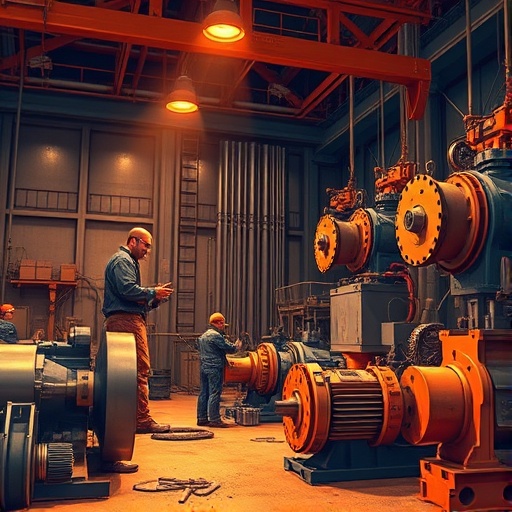
Identifying Gearbox Failures: Signs and Symptoms
Operators detect gearbox failures through unusual noise, excessive heat, and oil leaks that signal internal damage. Grinding sounds often indicate worn teeth while whining points to bearing issues in high-speed sections. Temperature spikes above normal operating ranges warn of lubrication breakdown or overload. Vibration increases serve as early indicators that maintenance teams must address before complete breakdown occurs. Industrial gearbox maintenance schedules incorporate daily visual checks and weekly temperature logging to catch these symptoms. Ignoring early signs leads to cascading damage that requires full gearbox replacement. Torque fluctuations during operation further confirm misalignment or gear tooth chipping. Prompt diagnosis using these symptoms prevents extended downtime and protects connected machinery from secondary failures.
Impact of Environment on Gearbox Performance
Harsh environments accelerate gearbox wear through temperature extremes, moisture, and corrosive elements that attack seals and internal components. Coastal installations face salt air that promotes rust on exposed surfaces while desert operations contend with rapid thermal cycling. Engineers specify protective coatings and breathers rated for specific conditions during gearbox selection. Industrial gearbox maintenance adapts to local climate by increasing inspection frequency in aggressive settings. High humidity promotes condensation inside housings that contaminates lubricant and promotes pitting on gear teeth. Proper ventilation and heater installations maintain stable internal conditions regardless of external swings. Monitoring ambient factors allows teams to adjust maintenance intervals and avoid premature failures tied directly to environment.
Effects of Dust and Contaminants on Gearbox Health
Dust infiltration compromises gearbox health by abrading gear surfaces and clogging oil passages that starve bearings of lubrication. Fine particles act as grinding media that accelerate tooth wear and raise operating temperatures. Industrial gearbox maintenance emphasizes sealed breathers and regular oil analysis to detect contaminant levels before damage spreads. Mining and cement plants install additional filtration systems to counter heavy airborne dust loads. Contaminated lubricant loses viscosity and fails to form protective films between moving parts. Routine flushing and filter changes remove accumulated debris that would otherwise shorten service intervals. Engineers recommend positive-pressure systems in extremely dusty sites to maintain clean internal environments and preserve gear integrity over extended operating periods.
Routine Maintenance Practices
Best Practices for Lubrication
Effective lubrication forms the foundation of industrial gearbox maintenance by reducing friction and dissipating heat generated during power transmission. Teams select lubricants based on load, speed, and operating temperature rather than defaulting to generic oils. Proper fill levels prevent both starvation and overfilling that creates foaming and seal leaks. Scheduled oil changes remove degraded fluid before acidity rises and attacks metal surfaces. Engineers verify lubricant compatibility when switching products to avoid chemical reactions that reduce protection. Sampling ports allow quick checks for water content and particle counts without full drainage. Consistent application of these best practices extends gear life and maintains efficiency across reducers operating under continuous industrial loads.
Vibration Analysis Techniques
Vibration analysis provides early detection of imbalance, misalignment, and bearing defects before they trigger gearbox failures. Maintenance crews attach sensors to record baseline signatures during normal operation then compare subsequent readings for deviations. Frequency patterns reveal specific issues such as gear mesh problems or loose mounts that require immediate attention. Industrial gearbox maintenance programs integrate portable analyzers with cloud-based trending to track changes over months. Engineers interpret data to schedule targeted interventions rather than full shutdowns. Regular analysis prevents catastrophic breakdowns by identifying progressive wear in worm gear sets and helical stages. This technology-driven approach reduces unplanned downtime while optimizing repair timing across multiple production lines.
Torque and Speed Checks for Optimal Performance
Accurate torque and speed verification confirms gearboxes deliver rated output without overloading connected equipment. Maintenance personnel use calibrated sensors to measure input and output values during loaded conditions. Deviations from design specifications signal wear in gears or slipping clutches that demand correction. Industrial gearbox maintenance includes quarterly torque audits that document performance trends and guide lubrication adjustments. Engineers compare actual speed ratios against nameplate data to detect internal slippage caused by damaged teeth. Consistent monitoring prevents efficiency losses that increase energy costs and stress on motors. These checks maintain stable operation across varying production demands while extending overall gearbox service life through proactive corrections.
Troubleshooting Gearbox Failures

Common Causes of Gearbox Failures
Overloading, inadequate lubrication, and misalignment rank among the primary causes of gearbox failures in industrial applications. Excessive torque beyond design limits bends shafts and chips gear teeth while starved bearings overheat rapidly. Contaminated oil introduces abrasive particles that erode surfaces over time. Thermal expansion from poor cooling creates binding that accelerates wear. Industrial gearbox maintenance records help identify patterns linking failures to specific operating conditions. Engineers review load histories to determine whether duty cycles exceed original specifications. Addressing root causes rather than symptoms prevents repeat breakdowns and supports reliable power transmission across continuous processes.
Repair Strategies: When to Consult Experts
Complex gearbox repairs involving bearing replacement or gear realignment require specialized tools and expertise beyond standard maintenance capabilities. Teams attempt minor seal changes in-house but escalate major issues to certified technicians when vibration exceeds safe thresholds. Industrial gearbox repair specialists perform precision machining and dynamic balancing that restores original tolerances. Consulting experts early avoids further damage from improper disassembly. Documentation of symptoms and service history speeds diagnosis and reduces repair duration. Many facilities establish service agreements that guarantee rapid response and genuine parts for critical reducers. This strategy minimizes downtime while ensuring repairs meet engineering standards for long-term reliability.
Worm Gear Specific Issues and Solutions
Worm gear sets encounter unique challenges including high sliding friction that generates substantial heat and accelerates wear on the bronze wheel. Backlash increases over time from material loss and requires periodic adjustment to maintain positioning accuracy. Industrial gearbox maintenance for worm units emphasizes synthetic lubricants formulated for extreme pressure conditions. Overheating often stems from insufficient cooling fins or blocked airflow around the housing. Engineers recommend oversizing worm reducers in high-duty applications to lower operating temperatures. Regular inspection of the wheel for pitting and scoring allows timely replacement before complete tooth failure occurs. These targeted solutions extend service intervals and preserve efficiency in right-angle power transmission setups.
Enhancing Gearbox Longevity
Engineering Innovations in Gearbox Design
Modern engineering innovations improve gearbox longevity through optimized tooth geometry and advanced materials that resist pitting and scoring. Finite element analysis refines load distribution across gear faces while ceramic coatings reduce friction coefficients. Integrated sensors now provide real-time data on temperature, vibration, and oil condition directly to maintenance platforms. Industrial gearbox maintenance benefits from these features by shifting from reactive repairs to condition-based interventions. New sealing technologies block dust ingress more effectively in harsh environments. Engineers continue developing higher power density units that handle greater torque within smaller footprints without sacrificing reliability. These advancements reduce overall ownership costs while supporting demanding industrial applications.
Technology Trends in Industrial Gearbox Maintenance
Digital twins and predictive analytics represent leading technology trends reshaping industrial gearbox maintenance. Virtual models simulate operating stresses to forecast remaining useful life based on actual load profiles. Wireless sensors stream continuous data that machine learning algorithms analyze for subtle anomaly patterns. Maintenance teams receive automated alerts when parameters drift outside established ranges. Remote monitoring reduces the need for constant on-site presence while improving response times to emerging issues. Industrial gearbox service providers now offer subscription-based platforms that combine historical records with live feeds. These tools help engineers prioritize repairs and schedule interventions during planned outages rather than during production emergencies.
Minimizing Downtime through Preventive Strategies
Preventive strategies center on scheduled inspections, proactive part replacements, and documented procedures that keep gearboxes operational. Maintenance calendars align with production cycles to avoid peak periods. Spare reducers held in inventory enable rapid swaps when major failures occur. Training programs ensure personnel recognize early warning signs and execute basic tasks correctly. Industrial gearbox maintenance routines incorporate oil analysis and alignment verification at fixed intervals. Facilities that track mean time between failures adjust strategies to address recurring problems. Consistent application of these measures reduces unplanned downtime and protects revenue streams dependent on continuous machinery availability.