The Science Behind Ceramic Weld Backing and Its Impact on Welding
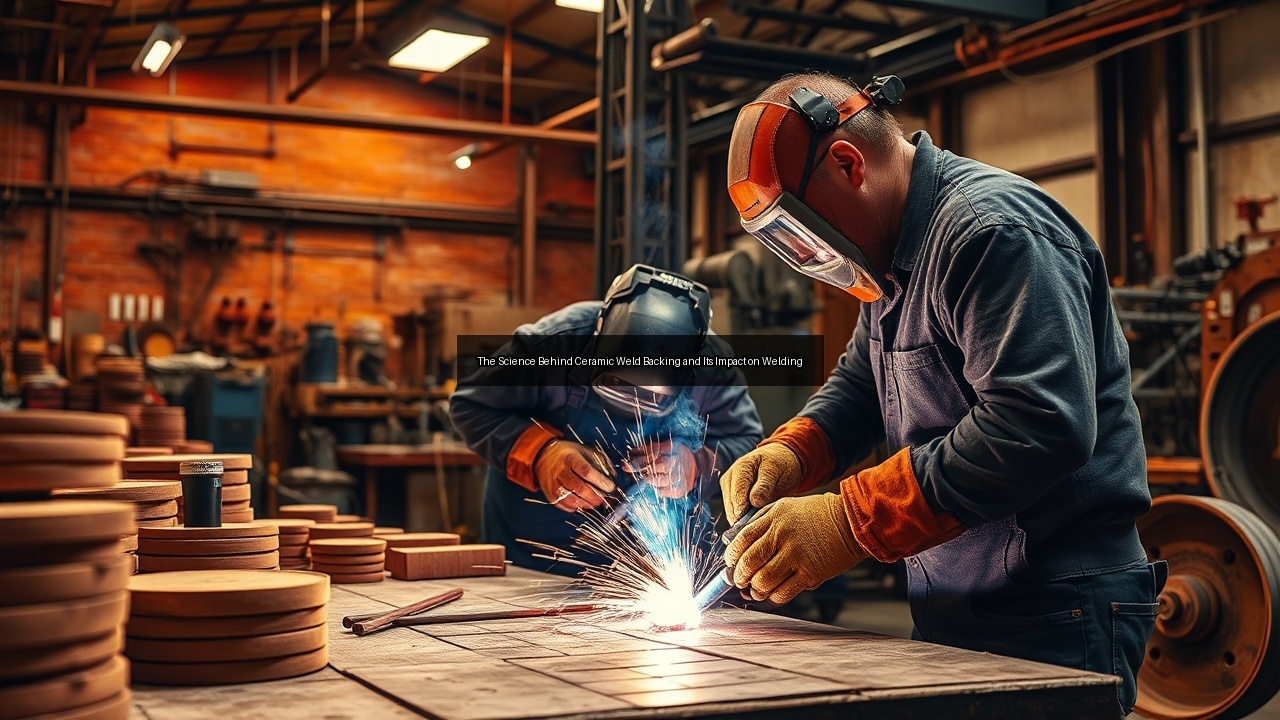
Understanding Ceramic Weld Backing
What Is Ceramic Weld Backing?
Ceramic weld backing refers to a specialized type of backing material used in the welding process to enhance the quality and integrity of welds. This material, typically made from high-performance ceramics, serves as a support for the weld pool, preventing defects and promoting better fusion between the welding rod and the base metal. Unlike traditional backing materials, ceramic weld backing can withstand high temperatures and provides a stable base that is resistant to spatter and distortion. The use of ceramic backing strips or tapes allows for cleaner welds and a more efficient welding process, making it an essential tool for modern welders seeking to achieve high-quality results.
How Ceramic Backing Enhances Weld Quality
Ceramic weld backing significantly enhances weld quality in several key ways. First, it provides a controlled environment for the molten metal during the welding process. By reflecting heat back into the weld pool, the ceramic backing helps maintain optimal temperatures, which promotes better fusion and reduces the risk of defects such as porosity or incomplete penetration. Additionally, ceramic materials can absorb excess spatter, which minimizes contamination and ensures a cleaner weld surface. This quality is particularly important in applications like TIG welding, where precision and cleanliness are paramount. Overall, the use of ceramic backing translates to stronger, more reliable welds that meet stringent quality standards.
Comparison with Traditional Weld Backings
When comparing ceramic weld backing to traditional weld backings, notable differences emerge. Traditional materials such as metal or wood often lack the high-temperature resistance and durability found in ceramics. Metal backings can warp or distort under extreme heat, leading to inconsistent welds. In contrast, ceramic materials maintain their shape and integrity, ensuring reliable performance throughout the welding process. Moreover, traditional backings may not provide the same level of thermal insulation, leading to heat loss that can affect weld quality. By utilizing ceramic weld backing, welders can achieve greater accuracy and efficiency, making it a superior choice for a variety of welding applications.
The Role of Ceramics in Welding
Types of Ceramics Used in Weld Backing
A range of ceramics is utilized in weld backing applications, each chosen for its unique properties and benefits. Common types include alumina, zirconia, and silicon carbide. Alumina, known for its high melting point and thermal stability, is frequently used in applications requiring robust performance. Zirconia, on the other hand, offers excellent thermal insulation and is effective in environments with high thermal shock. Silicon carbide is also popular due to its exceptional hardness and wear resistance. Each of these ceramics contributes to the overall effectiveness of the weld backing, allowing welders to select materials that best suit their specific needs and the demands of their projects.
The Science of Ceramic Materials: Clay to Tile
The journey of ceramics in welding begins with raw materials like clay and silica, which undergo a series of transformations to create the final product. The process starts with the extraction and refinement of these materials, followed by shaping and drying. Once shaped, the ceramics are subjected to high-temperature firing, which causes the particles to bond and results in a dense, durable structure. This transformation from clay to ceramic tile involves complex chemical reactions that enhance the material's strength and thermal resistance. Understanding this process allows welders to appreciate the science behind their tools, ensuring they utilize ceramic weld backing effectively in their projects.
Impact of Ceramic Composition on Welding Performance
The composition of ceramic materials plays a crucial role in determining their performance in welding applications. Specific elements within the ceramic matrix can influence properties such as thermal conductivity, strength, and resistance to chemical reactions. For instance, the addition of certain oxides can enhance the material's stability at high temperatures, making it more suitable for demanding welding tasks. Moreover, the ability of ceramics to withstand oxidation and other environmental factors ensures that they maintain their integrity during the welding process. By selecting the right ceramic composition, welders can optimize their welding performance, achieving clean, high-quality welds with minimal defects.
Applications and Benefits of Ceramic Weld Backing
Ceramic Weld Backing in TIG Welding
Ceramic weld backing finds extensive application in TIG (Tungsten Inert Gas) welding, where precision and quality are critical. The stability and heat retention properties of ceramic materials make them ideal for this type of welding. ceramic backing tape As the welder feeds the welding rod into the molten metal, the ceramic backing helps maintain a consistent heat level, promoting uniform penetration and a strong bond between the materials. Additionally, the ceramic backing reduces the risk of contamination from spatter and oxidation, resulting in cleaner, more aesthetically pleasing welds. This is particularly advantageous in industries such as aerospace and automotive, where weld quality directly impacts safety and performance.
Benefits for Welders: Efficiency and Quality
The integration of ceramic weld backing into the welding process offers numerous benefits for welders. One of the most significant advantages is efficiency. Ceramic materials can withstand extreme temperatures without degrading, allowing for faster welding speeds and reduced downtime. This efficiency translates to cost savings for both welders and companies. Additionally, the superior quality of welds produced with ceramic backing leads to increased customer satisfaction and fewer rework requirements. By delivering consistently high-quality results, welders can enhance their reputation and secure more projects in competitive markets. The combination of efficiency and quality underscores the importance of adopting ceramic weld backing in modern welding practices.
Case Studies: ESAB and Gullco International Innovations
Industry leaders like ESAB and Gullco International have pioneered innovations in ceramic weld backing, showcasing its impact on welding technology. ESAB, known for its cutting-edge welding equipment, has developed ceramic backing products that enhance the performance of their welding systems. By incorporating advanced ceramic materials, they provide welders with tools that ensure consistent quality and efficiency. Similarly, Gullco International has introduced unique ceramic backing solutions designed for automated welding processes. Their innovations have set new standards in the industry, demonstrating how ceramic weld backing can elevate welding practices across various applications. These case studies highlight the transformative potential of ceramics in the welding field, encouraging other manufacturers to explore similar advancements.
See Also
- Ceramic Weld Backing vs Traditional Methods Which is Best
- Real-Life Applications of Ceramic Weld Backing in Construction
- How Ceramic Weld Backing Improves Heat Resistance in Welds
- Unlocking the Power of Ceramic Weld Backing for Superior Welds
- Exploring the Benefits of Ceramic Weld Backing in Industrial Applications